
Table of Contents
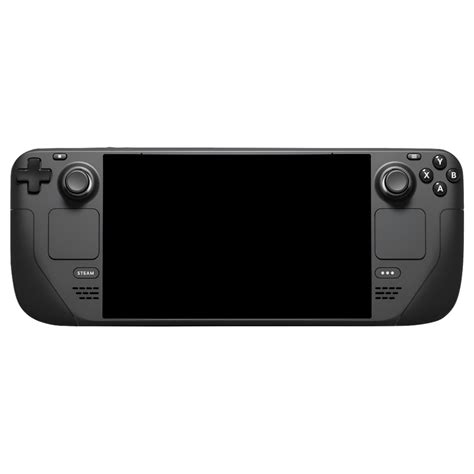
EXTERIORVIBE.BIZ.ID – The Steam Deck, Valve’s acclaimed handheld PC, has revolutionized portable gaming by bringing a vast PC game library to your fingertips. Among its offerings, the 64GB eMMC version stands out as the most budget-friendly option, leading many potential buyers to question its long-term value. This article explores whether the base model is still a worthwhile investment for today’s gamers.
Understanding the 64GB Model’s Core
The 64GB Steam Deck utilizes eMMC (embedded MultiMediaCard) internal storage, which is generally slower than the NVMe SSDs found in its pricier counterparts. This difference primarily manifests in longer game load times and slower system boot-ups, though core gaming performance remains identical across all LCD models. The primary advantage of the 64GB version is its significantly lower upfront cost, making it an attractive entry point.
Addressing Storage Limitations Through Expansion
The most crucial consideration for the 64GB model is its relatively modest internal storage, especially when faced with the ever-growing size of modern AAA games. Fortunately, Valve designed the Steam Deck with excellent expandability, prominently featuring a dedicated high-speed microSD card slot. Investing in a quality A2-rated microSD card can effectively multiply your usable storage, providing ample space for numerous titles.
Gaming Performance and Practical Considerations
Beyond storage speed, the 64GB Steam Deck delivers the same robust gaming performance as the 256GB and 512GB LCD models. Once games are loaded, they will run at identical frame rates and graphical settings, ensuring a consistent high-quality gameplay experience across the line. Users primarily encounter the storage difference during initial game installations and loading screens, which can be mitigated with a fast microSD card.
The Value Proposition and Ideal User
For budget-conscious gamers or those new to the world of handheld PC gaming, the 64GB Steam Deck offers an unparalleled entry point into a vast ecosystem. It’s also perfectly suited for players who primarily enjoy smaller indie games, retro titles, or who are comfortable managing their game library across internal and external storage. Furthermore, keeping an eye on Valve’s official Steam sales, which occur throughout the year, can help users snag great deals on games to fill their new library.
Final Verdict: Is the 64GB Steam Deck Worth It?
Yes, the Steam Deck 64GB model is absolutely worth it, provided you approach it with realistic expectations regarding its internal storage and are prepared to invest in a high-capacity microSD card. This strategic combination transforms the most affordable Steam Deck into a powerful and versatile portable gaming machine. It stands as an excellent choice for anyone eager to embrace handheld PC gaming without a substantial initial financial outlay.
Frequently Asked Questions (FAQ)
What is the main difference with the Steam Deck 64GB model?
The primary difference is its 64GB eMMC internal storage, which is slower and smaller compared to the NVMe SSDs in the more expensive models. All Steam Deck LCD models, however, offer identical processing power and gaming performance once games are loaded.
Can I upgrade the storage on the Steam Deck 64GB?
Yes, you can easily expand storage using a high-speed microSD card via the dedicated slot. For more advanced users, it is also possible to internally upgrade the eMMC drive to an NVMe SSD, though this requires technical expertise and voids the warranty.
Is the 64GB model good for AAA games?
Yes, the 64GB Steam Deck can run AAA games just as well as other LCD models in terms of performance. However, you will definitely need a large microSD card to install modern AAA titles, as they often exceed 64GB in size.
What kind of microSD card should I use?
For optimal performance, it is recommended to use an A2-rated (App Performance Class 2) UHS-I or UHS-II microSD card. These cards offer faster random read and write speeds, which are crucial for running games smoothly.
Written by: Emma Johnson
