
Table of Contents
EXTERIORVIBE.BIZ.ID – The Steam Deck LCD 512GB model represents a compelling entry point into the world of portable PC gaming. This specific variant offers a robust balance of storage, display technology, and performance for gamers on the go.
Understanding its capabilities helps players decide if this handheld device is the perfect fit for their gaming lifestyle. It’s designed to bring your extensive Steam library wherever you are, without being tethered to a desktop.
Understanding the Steam Deck LCD 512GB
The Steam Deck, developed by Valve, revolutionized handheld gaming by allowing users to play their PC game library natively on a portable device. The LCD 512GB model sits in the middle of the original LCD lineup, offering a significant storage boost over its 64GB and 256GB counterparts.
It merges the convenience of a console with the versatility of a PC, running on a custom version of SteamOS optimized for handheld play. This integration ensures a seamless experience for accessing and managing your games.
Core Features and Specifications
At its heart, the Steam Deck LCD 512GB is powered by a custom AMD APU, designed to deliver impressive performance in a compact form factor. This processor combines CPU and GPU capabilities to efficiently run a vast array of PC titles.
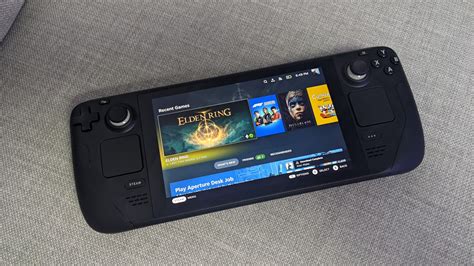
The device also features a 7-inch LCD touchscreen, providing a vibrant visual experience for many games. Its robust design includes haptic trackpads, gyro controls, and comprehensive button layouts for diverse gameplay styles.
The LCD Display
The 7-inch LCD panel on this Steam Deck model boasts a resolution of 1280×800 pixels and a 60Hz refresh rate. While not as vibrant as the newer OLED models, it still offers crisp visuals and good color reproduction for an immersive gaming experience.
This screen is more than capable of handling most modern titles, presenting them clearly and responsively. For many users, the LCD’s quality is perfectly adequate, making it a cost-effective choice without a major compromise on enjoyment.
Ample 512GB Storage
A significant advantage of this model is its 512GB NVMe SSD, providing fast loading times and ample space for a substantial game library. Compared to smaller storage options, this capacity significantly reduces the need for frequent game uninstalls or reliance on external storage.
Should you require more space, the Steam Deck includes a microSD card slot, allowing for easy and affordable storage expansion. This flexibility ensures you can always carry your favorite titles with you.
Performance and Gaming Experience
Equipped with an AMD Zen 2 + RDNA 2 APU, the Steam Deck LCD 512GB capably runs a wide range of PC games, from indie darlings to AAA blockbusters. Performance varies depending on the title and graphical settings, but it consistently delivers a smooth experience at its native resolution.
SteamOS, Valve’s Linux-based operating system, provides a user-friendly interface and excellent compatibility through Proton, a compatibility layer for Windows games. This allows access to thousands of titles from your existing Steam library.
Who Is the Steam Deck LCD 512GB For?
This model is ideal for gamers seeking a portable PC gaming experience without the premium price tag of the OLED version. It’s perfect for those who want to jump into their Steam library on the go, playing titles both new and old.
It serves as an excellent option for budget-conscious players who still demand decent storage and a reliable performance. For many, the value proposition of the LCD 512GB model remains incredibly strong.
Considerations Before Buying
While powerful, potential buyers should note the battery life varies significantly based on game intensity, typically ranging from 2-8 hours. The device’s ergonomics are generally praised, but its size might be substantial for some users with smaller hands.
Comparing it to the Steam Deck OLED, the LCD model offers a slightly heavier build and a less vibrant screen, though often at a more attractive price point. Your choice depends on whether the enhanced display and battery of the OLED justify the extra cost for your personal use case.
The Steam Deck LCD 512GB stands as a robust and capable portable PC gaming device. It continues to offer a fantastic way to experience your favorite Steam titles in a handheld format, blending performance with accessibility.
Its generous storage and reliable performance make it a strong contender for anyone looking to embrace the freedom of gaming anywhere, anytime. Ultimately, it provides a solid foundation for on-the-go entertainment.
Frequently Asked Questions (FAQ)
What is the Steam Deck LCD 512GB?
The Steam Deck LCD 512GB is a specific model of Valve’s handheld gaming PC, designed to allow users to play their PC game library on the go. It features a 7-inch LCD screen and a 512GB NVMe SSD for storage.
What are the main differences between LCD and OLED Steam Deck models?
The primary differences lie in the display technology, battery life, and weight. The LCD model has an LCD screen, slightly shorter battery life, and is a bit heavier, while the OLED model features a more vibrant OLED screen, longer battery life, and lighter design, often at a higher price point.
Can I upgrade the storage on the Steam Deck LCD 512GB?
Yes, while the internal 512GB NVMe SSD is sufficient for many, you can easily expand the storage using the built-in microSD card slot. This allows for flexible and affordable expansion of your game library.
What kind of games can I play on the Steam Deck LCD 512GB?
The Steam Deck LCD 512GB can run a wide variety of PC games from your Steam library, including both indie titles and many AAA blockbusters. Performance will vary based on the game and graphical settings, but it’s designed for a smooth experience.
Is the Steam Deck LCD 512GB worth it in 2024?
For budget-conscious gamers who want a reliable and capable portable PC gaming experience, the Steam Deck LCD 512GB offers excellent value in 2024. While the OLED model provides upgrades, the LCD version still delivers strong performance and a vast game library at a more accessible price.
Written by: Robert Miller
