
Table of Contents
EXTERIORVIBE.BIZ.ID – The Valve Steam Deck revolutionized portable PC gaming, bringing a vast library of titles into a handheld format. Since its initial release, Valve has introduced an updated model, featuring a vibrant OLED display alongside the original LCD version.
This comparison aims to dissect the key differences between the Steam Deck LCD and the newer OLED model, helping potential buyers make an informed decision. Understanding these distinctions is crucial for choosing the device that best fits your gaming habits and budget.
Display Technology: A Visual Leap
The most significant difference lies in the display technology itself, moving from LCD to OLED. The OLED model boasts a larger 7.4-inch screen compared to the LCD’s 7-inch, offering a more immersive visual experience.
OLED panels deliver perfect blacks, infinite contrast, and significantly more vibrant colors than LCD screens. This results in a picture with greater depth and realism, particularly noticeable in darker game scenes.
Furthermore, the OLED screen offers a higher refresh rate of 90Hz versus the LCD’s 60Hz, providing smoother motion in games. Its HDR capabilities also dramatically enhance color volume and brightness, making games look stunning.
Performance and Battery Life Enhancements
While both models share the same underlying AMD APU for core processing power, the OLED model introduces a more efficient custom APU. This subtle upgrade, coupled with the inherent efficiency of OLED technology, leads to substantial battery life improvements.
The OLED Steam Deck can offer 30-50% longer playtimes than its LCD counterpart, depending on the game and settings. This extended endurance is a major boon for gamers who enjoy longer sessions away from a power outlet.
Additionally, the OLED model features a larger 50Wh battery, compared to the LCD’s 40Wh, further contributing to its superior longevity. Less time charging means more time enjoying your favorite PC games on the go.
Design, Ergonomics, and Connectivity
Valve made several quality-of-life improvements to the OLED model beyond just the screen. It is noticeably lighter, reducing arm fatigue during extended gaming sessions.
The updated model also features improved thermals, leading to quieter fan operation, and enhanced haptics for more precise tactile feedback. Better joysticks and a larger trackpad further refine the overall control experience.
Connectivity also sees an upgrade with Wi-Fi 6E support on the OLED model, offering faster download speeds and more stable online play. Bluetooth 5.3 further enhances accessory compatibility and reliability.
Storage and Pricing Considerations
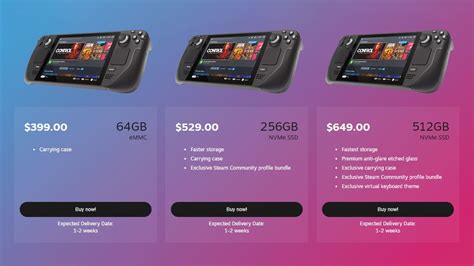
The OLED Steam Deck offers faster NVMe SSD storage options, ranging from 512GB to 1TB, providing quicker game loading times. The original LCD model is now available primarily in a 256GB NVMe variant, offering a more budget-friendly entry point.
The price difference is a significant factor, with the LCD model being more affordable, making it an excellent value for casual gamers. However, the OLED model justifies its higher cost with a premium display, superior battery life, and overall refined experience.
Conclusion: Which Steam Deck is Right for You?
Choosing between the Steam Deck LCD and OLED depends on your priorities and budget. The LCD model remains a fantastic device, offering an incredible value proposition for portable PC gaming.
However, if you prioritize the best visual experience, extended battery life, and a more refined overall design, the Steam Deck OLED is the clear winner. It represents a significant upgrade that enhances nearly every aspect of the handheld gaming experience.
Frequently Asked Questions About Steam Deck Models
- What is the main difference between Steam Deck LCD and OLED?
- The primary difference is the display technology; the OLED model features a larger, more vibrant, and higher refresh rate OLED screen, offering superior contrast and color compared to the LCD model.
- Does the Steam Deck OLED have better performance than the LCD?
- While both models share the same core AMD APU architecture, the OLED version has a more efficient custom APU and significantly improved battery life due to its display and larger battery. Raw gaming performance is largely similar, but efficiency is better.
- Is the Steam Deck OLED worth the extra cost?
- For users who prioritize a premium visual experience, longer battery life, a lighter design, and faster connectivity (Wi-Fi 6E), the Steam Deck OLED is generally considered worth the extra investment. The LCD still offers excellent value.
- Can I upgrade my Steam Deck LCD to an OLED screen?
- No, the Steam Deck’s display is not user-upgradable from LCD to OLED. The OLED model features internal design changes beyond just the screen, making it a distinct hardware revision.
Written by: Emily Taylor
