
Table of Contents
EXTERIORVIBE.BIZ.ID – The market for handheld gaming PCs has rapidly expanded, offering console-like portability with the versatility of a desktop. Among the most popular contenders are Valve’s Steam Deck and Lenovo’s Legion Go, each presenting a compelling package for on-the-go gamers.
Deciding between these two powerful devices often boils down to individual priorities regarding performance, display, and user experience. Both units allow you to play a wide range of PC games from various launchers, but their underlying approaches differ significantly.
Understanding Their Core Philosophies
The Steam Deck, launched by Valve, aims to bring the vast Steam library into a portable format, running on its custom SteamOS. In contrast, the Lenovo Legion Go embraces the full Windows ecosystem, offering a more traditional PC experience in a handheld form factor.
This fundamental difference influences everything from game compatibility to the overall user interface. SteamOS provides a streamlined, console-like experience, while Windows on the Legion Go offers unparalleled flexibility and access to all PC applications.
Performance and Raw Power
When it comes to raw processing power, the Legion Go generally holds an advantage, often featuring newer AMD Ryzen Z1 Extreme processors. This allows it to push higher frame rates or run more demanding titles at better settings compared to the Steam Deck.
However, the Steam Deck benefits significantly from Valve’s deep optimization of SteamOS, often delivering excellent performance and efficiency even with its slightly older hardware. Performance benchmarks can vary, but the Legion Go typically edges out the Steam Deck in raw graphical horsepower.
Display and Visual Experience
The Legion Go boasts a significantly larger and higher-resolution display, typically an 8.8-inch QHD+ screen, offering stunning visuals and more screen real estate. This makes games look incredibly sharp and vibrant, enhancing immersion for many titles.
The Steam Deck, on the other hand, features a 7-inch LCD or OLED screen with a 1280×800 resolution, which is still crisp and vibrant for its size. For those prioritizing visual fidelity and screen size, the Legion Go presents a clear edge, while the Steam Deck offers a balanced visual experience for its compact form factor.
Design, Ergonomics, and Unique Features
Design-wise, the Steam Deck is known for its comfortable, integrated form factor, designed for extended handheld play with well-placed controls and trackpads. Its ergonomic grips fit naturally in the hands, minimizing fatigue during long gaming sessions.
The Legion Go, while larger, introduces innovative detachable controllers akin to the Nintendo Switch, allowing for versatile play modes and a kickstand for tabletop gaming. Its unique FPS mode for the right controller offers precision input, providing flexibility not found on the Steam Deck.
Software Experience and Ecosystem
The Steam Deck operates on SteamOS, a Linux-based operating system highly optimized for gaming and seamless integration with the Steam store. This provides a console-like, plug-and-play experience, though some anti-cheat systems may occasionally pose compatibility issues.
The Legion Go runs full Windows 11, offering unparalleled compatibility with all PC games and applications, but requiring more traditional PC maintenance and navigation. Users comfortable with Windows will find the Legion Go familiar, while SteamOS offers a simpler, more gaming-focused interface.
Battery Life and Portability
Battery performance can vary greatly depending on the game and settings, with both devices offering decent playtime for a handheld PC. The Steam Deck generally offers better portability due to its smaller size and lighter weight, making it easier to carry on the go and more comfortable for sustained handheld use.
The Legion Go, with its larger screen and more powerful components, is noticeably bulkier and heavier, which can impact its long-term portability. However, its detachable controllers provide flexibility for different usage scenarios, somewhat offsetting its size.
Price Point and Value Proposition
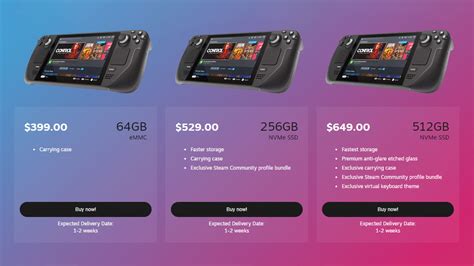
Typically, the Steam Deck is available at a more accessible price point, especially its entry-level models, making it an excellent value for budget-conscious gamers. Valve frequently offers promotions, making it an even more attractive entry into handheld PC gaming.
The Legion Go, with its premium features like a larger display and detachable controllers, usually sits at a higher price tier. Your choice ultimately depends on whether the enhanced features and raw power of the Legion Go justify the additional investment compared to the more affordable Steam Deck.
Making Your Decision
Choosing between the Steam Deck and Legion Go ultimately hinges on your personal gaming preferences and priorities. Both devices offer a fantastic way to enjoy PC games portably, but they cater to different needs.
If you value raw power, a large high-resolution screen, and Windows flexibility, the Legion Go might be your ideal choice. Conversely, if seamless Steam integration, superior ergonomics, and a more budget-friendly price are key, the Steam Deck remains an outstanding option that delivers exceptional value.
Frequently Asked Questions (FAQ)
What are the primary differences between the Steam Deck and Legion Go?
The Steam Deck runs on SteamOS, is generally more compact, and offers deep Steam ecosystem integration, while the Legion Go runs full Windows 11, features a larger, higher-resolution screen with detachable controllers, and often boasts more raw processing power.
Which device offers better gaming performance?
The Legion Go, with its typically newer AMD Ryzen Z1 Extreme processor, generally offers superior raw performance for more demanding games or higher frame rates. However, the Steam Deck’s optimized SteamOS ensures excellent performance for its hardware specifications.
Is the Steam Deck or Legion Go more portable?
The Steam Deck is generally considered more portable due to its smaller physical footprint and lighter weight, making it easier to carry around. The Legion Go is larger and heavier, but its detachable controllers add versatility in how it can be used.
Which operating system is better for handheld gaming?
SteamOS on the Steam Deck provides a streamlined, console-like gaming experience deeply integrated with the Steam library, ideal for ease of use. Windows 11 on the Legion Go offers broader compatibility with all PC game launchers and applications, but requires more traditional PC management.
Which device provides better value for money?
The Steam Deck typically offers a more budget-friendly entry point, delivering excellent performance and features for its price. The Legion Go, with its premium display, detachable controllers, and often higher performance, sits at a higher price point, offering value through its advanced features.
Written by: Olivia Anderson
