
Table of Contents
EXTERIORVIBE.BIZ.ID – Valve’s Steam Deck has revolutionized portable PC gaming, offering a vast library of titles on the go. When choosing a Steam Deck, prospective buyers face a critical decision between the original LCD model and the newer OLED version.
Understanding the key differences between these two powerful handhelds is essential to ensure you pick the device that best suits your gaming needs and budget. This comparison will break down the crucial distinctions, helping you make an informed choice.
Display Technology: A Visual Leap
The most significant and immediately noticeable upgrade in the OLED model is its stunning display. The OLED screen boasts incredibly vibrant colors, true blacks, and superior contrast ratios, creating an exceptionally immersive visual experience.
Unlike LCD panels, which use a backlight, OLED pixels are self-lit, allowing for perfect blacks and a wider dynamic range, enhanced further by HDR support. The OLED also features a higher refresh rate (90Hz compared to the LCD’s 60Hz), resulting in smoother motion and more responsive gameplay.
Performance, Battery Life, and Efficiency
While the OLED model incorporates a slightly more efficient APU and faster RAM, raw gaming performance gains in terms of frames per second are generally marginal. Both devices are capable of running the same vast Steam library, though some titles may require graphical adjustments.
The true performance advantage of the OLED lies in its significantly extended battery life, thanks to a larger battery capacity and the inherent power efficiency of its OLED display. This allows for considerably longer gaming sessions, reducing the need for frequent recharges.
Design, Ergonomics, and Refinements
Beyond the display, the OLED Steam Deck also brings several quality-of-life improvements. It is noticeably lighter than its LCD counterpart, enhancing comfort during extended play sessions.
The OLED version also features improved haptics, a quieter fan system, and Wi-Fi 6E connectivity for faster and more stable wireless performance. These refinements contribute to a more premium and enjoyable overall user experience.
Storage Options and Pricing Considerations
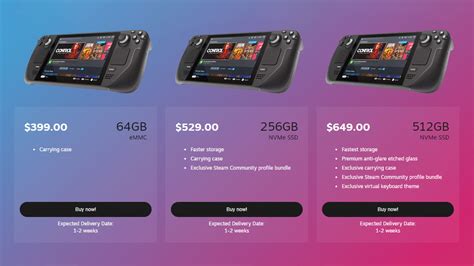
Both Steam Deck models offer various internal storage configurations to suit different needs, with the OLED typically starting at a higher price point. The top-tier OLED model often includes additional features, such as premium anti-glare etched glass.
The LCD version remains an excellent value proposition, particularly for budget-conscious gamers looking for an affordable entry into portable PC gaming. Consider your desired storage, budget, and how much you value the premium features when weighing your options.
Which Steam Deck is Right for You?
If you prioritize the absolute best visual fidelity, superior battery life, a lighter design, and refined user experience, and your budget allows, the Steam Deck OLED is the undeniable champion. It offers a premium portable gaming experience that truly elevates your games.
However, if you are looking for the most cost-effective way to access the vast world of portable PC gaming and are comfortable with the original’s display and features, the LCD Steam Deck still provides incredible value. Your choice ultimately hinges on your personal priorities and financial considerations.
Frequently Asked Questions (FAQ)
Is the Steam Deck OLED significantly faster than the LCD model?
No, the performance gains in raw gaming framerates are generally marginal. While the OLED model uses a slightly more efficient APU and faster RAM, it doesn’t translate to a major boost in game performance that would be noticeable in most titles.
Does the OLED Steam Deck have better battery life?
Yes, absolutely. The OLED model features a larger 50Wh battery and a more power-efficient OLED display, resulting in significantly extended battery life compared to the LCD version’s 40Wh battery and less efficient screen.
Is the price difference between OLED and LCD models justified?
For many users, yes. The OLED offers a dramatically superior display, much better battery life, lighter weight, improved haptics, and a quieter fan. These enhancements collectively justify the higher price for those seeking a premium portable gaming experience.
Should I upgrade from an LCD Steam Deck to an OLED one?
An upgrade is highly worthwhile if you strongly value display quality, extended battery life, and a more refined user experience with better ergonomics and less fan noise. If your current LCD model already satisfies your needs and budget is a concern, an upgrade isn’t strictly necessary for performance alone.
Written by: Emma Johnson
