
Table of Contents
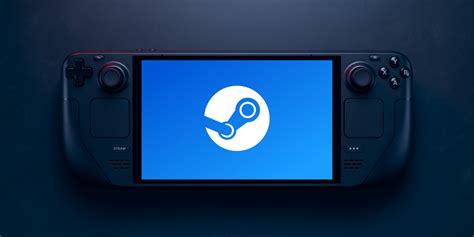
EXTERIORVIBE.BIZ.ID – The Steam Deck, Valve’s innovative handheld gaming PC, has revolutionized portable gaming experiences for enthusiasts worldwide. At its core lies SteamOS, a custom-built operating system meticulously designed to deliver a seamless and powerful gaming environment.
Steam Deck OS is far more than just a platform; it’s the carefully crafted software engine powering every interaction and game run on the device. Understanding this unique operating system is key to appreciating the full capabilities and versatile potential of your Steam Deck.
What Powers Steam Deck OS?
SteamOS, in its latest iteration specifically for the Steam Deck, is built upon Arch Linux, a highly customizable and modern Linux distribution. This robust open-source foundation allows for incredible flexibility and performance optimization, precisely tailored for a dedicated gaming handheld.
It integrates exceptionally tightly with Valve’s omnipresent Steam client, offering a streamlined “Gaming Mode” that intuitively prioritizes game launch and uninterrupted play. This mode provides a truly console-like experience, effortlessly navigable with the Deck’s physical controls and touch interface.
Seamless Gaming with Proton
A particularly crucial component embedded within Steam Deck OS is Proton, a cutting-edge compatibility layer developed by Valve. This ingenious technology allows Windows-native games, which typically wouldn’t run on Linux, to function seamlessly on the Steam Deck.
Proton works by translating DirectX and other Windows APIs into their Linux equivalents, often achieving impressive performance comparable to native Windows execution. This innovative software significantly expands the Steam Deck’s game library, enabling players to access a vast catalog of titles without developers needing to specifically port them to Linux.
Beyond Gaming: Desktop Mode
While primarily positioned as a gaming device, the Steam Deck OS also offers a remarkably versatile “Desktop Mode” powered by the KDE Plasma environment. This alternative mode transforms the handheld into a fully functional Linux PC, complete with a traditional desktop interface and window management.
In Desktop Mode, users can readily install Linux applications, browse the web with a full-fledged browser, and even perform various productivity tasks, making the Steam Deck a remarkably adaptable device. This duality powerfully highlights Valve’s commitment to open standards, user freedom, and the inherent versatility of its hardware.
Future-Proofing Your Portable Experience
Valve continually pushes updates to Steam Deck OS, consistently bringing performance enhancements, crucial bug fixes, and exciting new features to the platform. These regular updates ensure the system remains robust, responsive, and adept at handling new games and evolving technologies.
This commitment to ongoing development helps future-proof the Steam Deck, ensuring it remains a relevant and powerful portable gaming solution for many years to come. The operating system’s open-source nature also warmly invites community contributions and fosters continuous innovation.
Frequently Asked Questions (FAQ)
What is Steam Deck OS based on?
Steam Deck OS, also known as SteamOS 3.0, is based on Arch Linux, a powerful and highly customizable Linux distribution. It also utilizes the KDE Plasma desktop environment for its Desktop Mode.
Can I install other operating systems on the Steam Deck?
Yes, while Steam Deck OS is the default, the Steam Deck is a PC and can technically run other operating systems like Windows or different Linux distributions. However, Valve optimizes SteamOS specifically for the hardware.
What is Proton and why is it important for Steam Deck OS?
Proton is a compatibility layer developed by Valve that allows Windows-native games to run on Linux-based operating systems like Steam Deck OS. It’s crucial because it enables the Steam Deck to play a vast majority of games from your Steam library without requiring native Linux versions.
Is Steam Deck OS good for non-gaming tasks?
Yes, Steam Deck OS includes a full ‘Desktop Mode’ powered by KDE Plasma, which transforms the device into a functional Linux PC. Users can install software, browse the internet, and perform various productivity tasks, making it quite versatile beyond gaming.
Written by: William Clark
