
Table of Contents
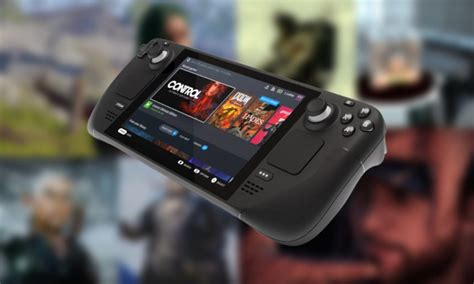
EXTERIORVIBE.BIZ.ID – The Steam Deck revolutionized portable PC gaming, offering a powerful handheld experience to players worldwide. Understanding its launch timeline clarifies its journey from announcement to becoming a popular device.
Valve Corporation, the creator of the popular Steam platform, first unveiled the Steam Deck on July 15, 2021. This announcement generated immense excitement among PC gamers eager for a truly portable solution.
Pre-orders for the device began immediately after its reveal, with initial shipping dates set for December 2021. However, due to global supply chain issues, the official launch was slightly delayed.
When Did the First Steam Deck Ship?
The original Steam Deck officially started shipping to customers on February 25, 2022. This marked a significant milestone for Valve, bringing their vision of a handheld PC gaming device to life.
Initially, Valve fulfilled orders in waves, prioritizing customers based on their reservation date. This staggered release ensured a smoother rollout given the high demand for the new hardware.
The device quickly gained traction for its ability to play a vast library of PC games from Steam. It effectively brought desktop-level gaming performance into a portable form factor.
Evolution of the Steam Deck: The OLED Model
Valve continued to innovate on the Steam Deck platform, listening to community feedback for improvements. This dedication led to the introduction of a new iteration of the device.
The Steam Deck OLED model was officially announced on November 9, 2023, and began shipping on November 16, 2023. This updated version featured a superior OLED screen, longer battery life, and other refinements.
The OLED model wasn’t a generational leap but rather a significant upgrade to the existing form factor. It further solidified the Steam Deck’s position as a leader in handheld PC gaming.
Steam Deck’s Place in Valve’s Ecosystem
The Steam Deck is an integral part of Valve’s broader strategy to expand PC gaming accessibility and innovation. Its success is intertwined with the ongoing development of the Steam platform.
Valve consistently supports its thriving ecosystem, as evidenced by recent announcements regarding future events. For instance, Valve has already detailed the full schedule for all official sales and game festivals on the Steam platform for 2026, announced on January 16.
These future events include four major seasonal sales, numerous themed festivals, and highly anticipated new product announcements. Such detailed planning highlights Valve’s long-term commitment to its user base and developers alike.
The continuous evolution of the Steam platform, alongside devices like the Steam Deck, ensures a vibrant future for PC gaming. Valve’s strategic approach combines hardware innovation with a robust software marketplace.
Ultimately, the Steam Deck’s release dates in 2022 and 2023 mark pivotal moments in gaming history. They demonstrate Valve’s capacity to deliver groundbreaking hardware that enhances the PC gaming experience.
Frequently Asked Questions (FAQ)
What is the Steam Deck?
The Steam Deck is a handheld gaming computer developed by Valve Corporation. It allows users to play their Steam library games on the go, running a custom version of Linux called SteamOS.
When was the Steam Deck OLED released?
The Steam Deck OLED model was officially announced on November 9, 2023, and began shipping to customers on November 16, 2023. It offers an upgraded screen and improved battery life over the original model.
What operating system does the Steam Deck use?
The Steam Deck primarily runs SteamOS, a Linux-based operating system optimized for gaming. It uses Proton compatibility layer to run Windows-native games, allowing a vast library of titles to be played.
Can I play all my Steam games on the Steam Deck?
While many games are Steam Deck Verified or Playable, not all games are fully compatible out of the box. Valve provides a compatibility rating system to help users identify which games run best on the device, though many unsupported titles can still function with tweaks.
Written by: James Wilson
