
Table of Contents
EXTERIORVIBE.BIZ.ID – The Steam Deck OLED represents a significant upgrade to Valve’s popular handheld PC gaming device, offering substantial improvements over its predecessor. This guide will delve into the comprehensive Steam Deck OLED specifications, highlighting what makes this new iteration a superior choice for portable gaming enthusiasts.
Understanding these specifications is crucial for anyone considering an upgrade or a first-time purchase, as they directly impact the gaming experience. Valve focused on key areas such as the display, battery life, and connectivity to deliver a more refined and immersive handheld experience.
Revolutionary OLED Display Technology
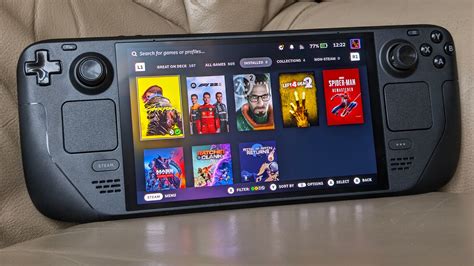
At the heart of the Steam Deck OLED’s appeal is its vibrant new display, which utilizes OLED (Organic Light-Emitting Diode) technology. This 7.4-inch screen boasts richer colors, deeper blacks, and superior contrast compared to the original LCD model, fundamentally transforming visual fidelity.
The OLED panel also supports HDR (High Dynamic Range), providing a wider range of brightness and shadow detail, making games appear more lifelike and engaging. Furthermore, the refresh rate has been boosted to 90Hz, ensuring smoother motion and more responsive gameplay in supported titles.
Upgraded Internal Hardware and Performance
While the core AMD APU (Accelerated Processing Unit) architecture remains similar, the Steam Deck OLED features a more efficient 6nm process, resulting in improved power consumption. This efficiency translates directly into better battery life without sacrificing gaming performance.
The device now includes 6400 MT/s LPDDR5 RAM, an increase from the original’s 5500 MT/s, which contributes to faster data access and overall system responsiveness. Although not a raw performance jump, these optimizations ensure smoother operation and quicker loading times for demanding titles.
Enhanced Battery Life and Charging
A critical upgrade for any portable device is its battery, and the Steam Deck OLED delivers substantially in this regard. It features a larger 50Wh battery, a considerable increase from the original’s 40Wh unit.
Combined with the more power-efficient OLED display and APU, users can expect 30-50% more playtime, ranging from 3 to 12 hours depending on the game. Fast charging capabilities are also improved, allowing the device to reach 80% charge in approximately 45 minutes.
Faster Connectivity and Storage Options
Connectivity has seen a significant boost with the inclusion of Wi-Fi 6E, offering three times faster downloads and improved stability for online gaming. This new standard ensures a smoother experience when downloading large game files or playing multiplayer titles.
Bluetooth 5.3 is also integrated, providing more reliable connections with controllers and other peripherals, and supporting a wider range of Bluetooth devices. For storage, the Steam Deck OLED comes with fast NVMe SSD options, starting from 512GB and extending to 1TB, ensuring rapid game loading and system boot times.
Refined Design and Ergonomics
Beyond the internal components, Valve has also made subtle yet impactful refinements to the Steam Deck OLED’s physical design. The new model is slightly lighter by about 30 grams, making it more comfortable during extended gaming sessions.
Haptic feedback has been improved for a more precise and immersive tactile experience, while the joysticks offer a more durable and satisfying feel. The device also features a larger, quieter fan, contributing to more efficient cooling and a less distracting gaming environment.
Audio and Control Improvements
The built-in stereo speakers have been enhanced to deliver a clearer soundstage with better bass response, elevating the audio experience without headphones. Furthermore, the analog sticks and D-pad have received subtle tweaks for increased precision and durability, catering to competitive gamers.
All buttons and triggers maintain their robust quality, ensuring a familiar and reliable control scheme for Steam Deck veterans. These detailed refinements contribute to an overall premium feel and improved user interaction.
Software Experience: SteamOS
The Steam Deck OLED continues to run on SteamOS, Valve’s Linux-based operating system tailored for gaming. This OS provides a seamless console-like experience with direct access to your Steam library and Proton compatibility layer for Windows games.
Regular software updates from Valve ensure continuous performance improvements, new features, and broader game compatibility. This integrated software approach maximizes the potential of the handheld’s powerful hardware.
Conclusion: A Polished Handheld Gaming Experience
The Steam Deck OLED specifications reveal a product that is not just an iterative update but a substantial enhancement to the original vision. With its stunning OLED display, extended battery life, faster connectivity, and thoughtful design improvements, it redefines the standard for portable PC gaming.
For gamers seeking the ultimate handheld PC experience, the Steam Deck OLED offers a compelling package of performance, visual fidelity, and endurance. It solidifies its position as a leading device in the burgeoning handheld gaming market.
Written by: David Thomas
