
Table of Contents
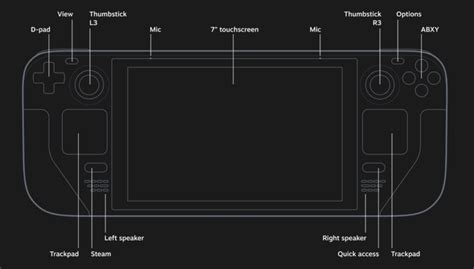
EXTERIORVIBE.BIZ.ID – The display is a crucial component of any portable gaming device, directly impacting immersion and user experience. Understanding the **Steam Deck screen size** and its variations is essential for prospective buyers and current owners alike, especially with different models available.
Valve’s innovative handheld PC offers distinct screen technologies across its lineup, presenting players with significant visual differences. Each screen type comes with its own set of advantages and characteristics that influence gameplay and overall enjoyment.
The Original Steam Deck’s LCD Display
The inaugural Steam Deck model features a 7-inch LCD (Liquid Crystal Display) panel, providing a solid foundation for handheld gaming. This screen boasts a resolution of 1280 x 800 pixels and a refresh rate of 60Hz, delivering crisp visuals for its size.
While an LCD, it offered good brightness and color reproduction at its release, ensuring games were vibrant and clear. The original model delivered a commendable visual experience, proving its capability to run a vast library of PC games effectively.
Steam Deck OLED: A Visual and Sizeable Upgrade
The Steam Deck OLED introduced a significant enhancement, upgrading to a larger 7.4-inch OLED panel. This newer display not only offers more screen real estate but also brings superior picture quality, making games look stunning.
With improved brightness, perfect blacks, and vibrant colors, the OLED model transforms the visual fidelity of games. It also features a faster 90Hz refresh rate, contributing to smoother gameplay animations and a more responsive feel during fast-paced action.
Why Screen Technology Matters: LCD vs. OLED
The fundamental difference between LCD and OLED technology lies in how they produce light. LCDs use a backlight to illuminate pixels, meaning black areas are often deep gray, whereas OLED pixels self-illuminate, allowing for true blacks and infinite contrast.
This distinction leads to OLED screens offering better viewing angles, more vivid colors, and significantly higher contrast ratios. Additionally, OLED panels are generally more power-efficient when displaying darker content, potentially extending battery life in certain gaming scenarios.
Understanding Resolution and Portability
Both Steam Deck models maintain a resolution of 1280 x 800 pixels, which is optimal for a handheld device of its size. This resolution strikes an excellent balance between visual sharpness and the performance demands on the internal hardware, ensuring smooth frame rates.
The slightly larger 7.4-inch OLED screen still keeps the device highly portable and comfortable for extended gaming sessions. Ultimately, the choice between LCD and OLED depends on a player’s priority for visual fidelity versus budget considerations, each offering a compelling handheld experience.
Written by: Sarah Davis
