
Table of Contents
EXTERIORVIBE.BIZ.ID – The world of portable PC gaming has seen a significant surge in popularity, primarily fueled by innovative devices like the Valve Steam Deck and ASUS ROG Ally. As gamers seek powerful yet compact ways to enjoy their vast PC game libraries, choosing between these two leading handhelds becomes a crucial decision.
Valve’s Steam Deck, renowned for its strong integration with the Steam ecosystem, has long been a favorite, offering a streamlined gaming experience. The newer ROG Ally X enters the arena with updated specifications, aiming to elevate the portable gaming benchmark even further, building upon the original ROG Ally’s foundation.
Performance: Powering Your Portable Play
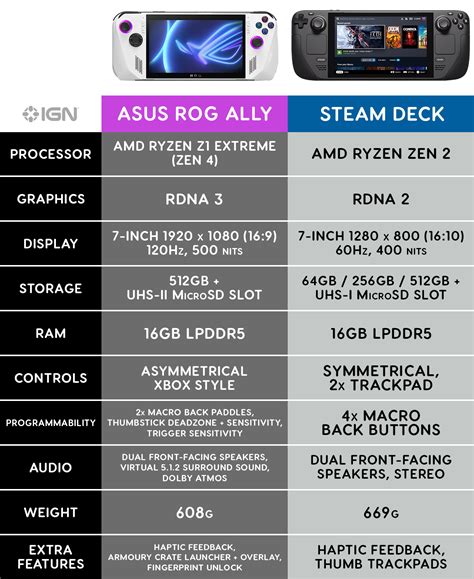
At the heart of any gaming device is its processing power, and both contenders boast impressive capabilities. The original Steam Deck utilizes an AMD Van Gogh APU, while the Ally X is expected to feature an enhanced AMD Ryzen Z1 Extreme processor, promising superior raw performance for demanding titles.
This difference translates into potentially higher frame rates and better graphical fidelity on the Ally X, especially in modern AAA games. However, the Steam Deck’s optimized SteamOS often allows it to punch above its weight, ensuring smooth gameplay on its targeted hardware for a broad range of titles from the Steam store.
Display & Ergonomics: Visuals and Comfort in Hand
A crucial aspect of handheld gaming is the screen quality and how the device feels during extended play sessions. The Steam Deck offers a vibrant LCD or an upgraded OLED display depending on the model, providing deep blacks and vivid colors for an immersive experience.
The ROG Ally X is anticipated to retain a high-refresh-rate LCD display, which offers fluid motion, but its ergonomic design and button layout will be key factors for user comfort. Both devices aim for a balanced feel, but individual preference will dictate the winner in this category.
Operating System & Game Library: Windows vs. SteamOS
The operating system significantly shapes the user experience and game compatibility; Steam Deck runs on SteamOS (a Linux-based system), while the ROG Ally X runs on Windows. SteamOS offers a highly curated and optimized interface specifically designed for handheld gaming and direct access to Steam’s extensive library.
Conversely, the Windows operating system on the Ally X provides unparalleled compatibility with virtually any PC game launcher (Steam, Epic, GOG, Xbox Game Pass) and other Windows applications. While this offers immense flexibility, it can sometimes lead to a less streamlined, more desktop-like experience on a smaller screen.
Battery Life & Storage: Endurance for On-the-Go Gaming
Extended gameplay sessions away from an outlet demand robust battery performance. The ROG Ally X is expected to feature a significantly larger battery capacity than its predecessor and the Steam Deck, potentially offering longer play times for travelers and commuters.
Storage is another key differentiator, with the Ally X likely supporting M.2 2280 NVMe SSDs, allowing for easier and potentially cheaper upgrades compared to the Steam Deck’s M.2 2230 slot. Both devices, however, support microSD cards for additional storage expansion, a common feature for portable devices.
Pricing & Value: Making Your Investment Count
The Steam Deck has established itself with various price points, making it accessible to a broader audience. The ROG Ally X, positioned as a premium upgrade, will likely command a higher price tag, reflecting its enhanced hardware and features designed for peak performance.
Ultimately, the value proposition depends on what a gamer prioritizes: the Steam Deck offers an excellent balance of performance and affordability with a highly refined user interface, while the Ally X aims for maximum raw power and Windows flexibility at a potentially higher cost.
Conclusion: Choosing Your Ideal Handheld
Both the Steam Deck and the ROG Ally X represent the pinnacle of current handheld PC gaming technology, each with distinct advantages. Your ideal choice hinges on personal priorities, whether it’s the seamless, Steam-centric experience of the Deck or the raw power and broad compatibility of the Ally X.
Consider your budget, preferred game library access, and comfort with different operating systems to make the best decision for your portable gaming adventures.
Frequently Asked Questions (FAQ)
What is the main difference between Steam Deck and ROG Ally X?
The primary difference lies in their operating systems and performance targets. The Steam Deck runs on SteamOS, offering a console-like experience optimized for Steam games, while the ROG Ally X runs on Windows, providing broader game launcher compatibility and generally aiming for higher raw performance.
Which device offers better gaming performance?
The ROG Ally X is anticipated to offer superior raw performance due to its enhanced AMD Ryzen Z1 Extreme processor, which should translate to higher frame rates and better graphics in demanding games compared to the Steam Deck’s APU.
Which handheld gaming PC has better battery life?
The ROG Ally X is expected to feature a significantly larger battery capacity than the Steam Deck, suggesting it will likely offer longer battery life for extended gaming sessions on the go.
Is the ROG Ally X much more expensive than the Steam Deck?
Yes, the ROG Ally X is generally positioned as a premium device with enhanced specifications, so it is expected to have a higher price point than most Steam Deck models, which cater to a broader range of budgets.
Can I play non-Steam games on the Steam Deck?
While the Steam Deck is optimized for Steam games, it is possible to install and play non-Steam games, and even alternative operating systems like Windows, though this process may require more technical know-how and might not be as seamless as the native SteamOS experience.
Written by: Isabella Lewis
